Learn Persian with Rosetta Stone
GET STARTEDHave you ever wanted to learn Farsi (Persian)? You wouldn’t be the only one. For centuries, it has been spoken across Iran, Afghanistan, and Tajikistan, linking millions of people through literature, history, and everyday conversation. Farsi offers cultural richness, lyrical beauty, and a distinct doorway into the Persian-speaking world.
Starting out may feel challenging, but the journey is worth it. With the right guidance, you’ll begin to see meaningful progress sooner than you expect.
Why learn Persian?
Mastering a second language offers countless benefits, and Farsi stands out as one of the most rewarding options. Whether your goal is personal growth, cultural immersion, or career development, Farsi can open doors.
Top reasons to learn Persian
- Cultural depth: Farsi gives direct access to Persian literature, poetry, and film — from Hafez and Rumi to modern cinema.
- Travel connections: Communicate with ease when visiting Iran, Afghanistan, or Tajikistan.
- Career opportunities: Farsi is valuable in international relations, business, and academia.
- Sharpen your mind: Language learning boosts memory, problem-solving, and mental flexibility.
- Family and friends: Strengthen bonds with Farsi-speaking relatives or communities.
- Global perspective: Gain a deeper understanding of the cultures and histories that shaped Central and South Asia.
Persian language basics
Where is Persian spoken?
Farsi is the official language of Iran, while close variants are spoken in Afghanistan (Dari) and Tajikistan (Tajik). Together, these form a Persian language family with more than 110 million speakers worldwide.
How long does it take to learn Persian?
Consistency matters most. Dedicating just 15 minutes a day can help you hold basic conversations in a matter of weeks. Fluency takes time, but Rosetta Stone helps you start speaking early and often.

How to learn Persian
Beginner
Focus on pronunciation and essential grammar:
Greetings and introductions
Asking simple questions
Talking about people and things
Using verbs like budan (to be) and dāshtan (to have)
Intermediate
Build on the basics:
Learn past and future tenses
Explore prepositions and adverbs
Expand your vocabulary
Advanced
Approach fluency by refining skills:
Master idiomatic expressions
Understand more complex verb forms like subjunctive and compound verbs
Study specialized vocabulary (e.g., literature, business, or academic fields)

Learn with Rosetta Stone Sapphire
Rosetta Stone’s language experts have designed a learning journey that balances structure with flexibility:
Best ways to learn Persian
Online:
Learn at your own pace anytime, anywhere with Rosetta Stone. Use Rosetta Stone online or the mobile app. Sign up now!
- Classroom learning: Great for structured and social practice.
- Tandem partners: Practise with native speakers through exchanges.
- Immersion: Living in a Farsi-speaking country is the fastest way to learn.
Media and tools to support learning
Books:
Start with bilingual Persian-English texts or children’s stories.
- Poetry: Reading Hafez or Rumi in original Farsi offers beauty and challenge.
- Podcasts & music: Listen to contemporary Persian songs and spoken series.
- TV & movies: Watch Iranian cinema with subtitles.
Take the first step
Rosetta Stone offers a free first lesson to help you get started. Whether you’re learning for travel, family, or cultural enrichment, Farsi is an excellent choice — and Rosetta Stone is here to guide you every step of the way.
GET STARTEDWhat's included with your subscription
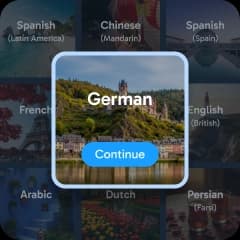
All-access subscription
Access to all 25 of our languages
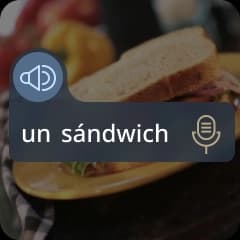
Immersive lessons
Master your new language with immersive lessons and our TruAccent speech tool

Chat Missions
Fun, realistic conversation practice with Chat Missions

Flashcards
500+ flashcard sets to learn the words you care about
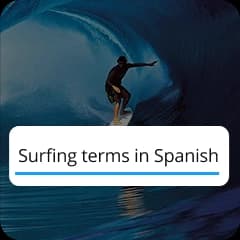
Sapphire Studio
Create your own learning materials on any topic in Sapphire Studio
What our customers are saying

I absolutely love the approach that Rosetta Stone utilises. It feels like a natural and fun way to learn a new language. I also appreciate that I’m able to squeeze lessons in when I only have 10 minutes… and it’s a more productive and enjoyable activity than getting sucked into online scrolling just to distract myself. Why not learn a new language instead?
― Turner
I have been using Rosetta Stone for over 30 years. By far, this is the best app for language learning. There are no language crutches, only immersion. You learn in a natural way and move forward quickly. Apps with games are fun, but you learn more slowly, and you are always “translating”, not immersing. Rosetta Stone makes language learning interesting and efficient.
― GrahamAbout Learning Persian (Farsi) with Rosetta Stone
On Rosetta Stone, learners develop Farsi skills through interactive lessons that introduce the right-to-left script, pronunciation, and essential vocabulary in an engaging, structured way. Listening and speaking exercises help learners recognize sounds and letter forms while practising accurate pronunciation. Vocabulary and grammar appear naturally in context, allowing learners to understand sentence structure and meaning without relying on translation.
Learning Farsi involves mastering the Persian script, developing basic vocabulary, and understanding relatively simple grammar structures, such as the absence of noun genders. Many learners focus first on spoken Farsi to gain conversational confidence, gradually incorporating reading and writing skills. Exposure to authentic media such as podcasts, videos, or music helps learners internalize pronunciation, rhythm, and everyday usage while building cultural understanding.
Learners can apply Farsi skills by creating daily practice routines that integrate listening, speaking, and writing. Reviewing key phrases aloud, practising pronunciation while reading simple texts, or engaging with Farsi media reinforces comprehension and fluency. When paired with the structured lessons available on the website, these practices lead to steady, achievable progress. With consistent engagement, learners gain the confidence to communicate effectively and connect with Farsi-speaking communities and culture.
